Leftover Vegetable Curry – Donnadundas.co.uk
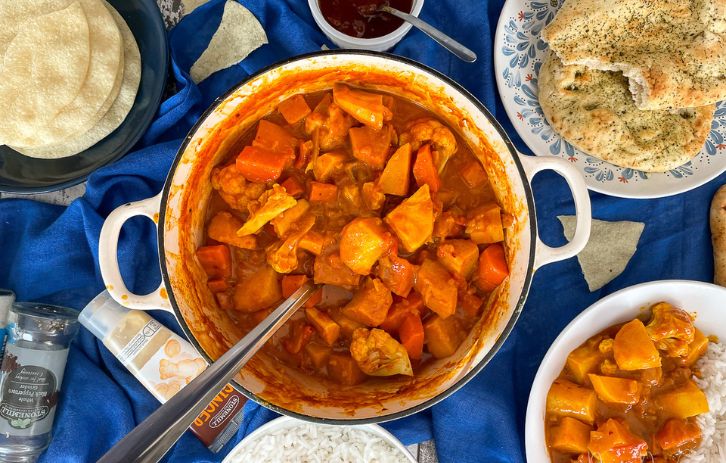
When it comes to preventing food waste, this leftover vegetable curry ranks among my top go-to recipes. Simple, speedy, and packed with flavour, you can add all your leftover vegetables and potatoes to help reduce waste while also cutting costs.
Disclaimer: Although I try to be as precise as I can, any guidance in this article—including, but not limited to, cooking times, amounts, nutritional details, plus storage and freezing recommendations—is based on my own personal experience. Make use of your own abilities, understanding and common sense, and check the latest food safety information.
For Sunday lunch, I always end up making far more vegetables than we need.
I’m completely in love with roasted potatoes, carrots, parsnips, and other vegetables, too—especially cauliflower. If there are only a few left, we simply warm them through in the oven the following day and serve them as a side dish alongside whatever we’re having for lunch or dinner.
Occasionally, we turn our leftover vegetables into bubble and squeak. However, another wonderful choice—particularly when you’ve got lots left over—is this leftover roast vegetable curry recipe, which is ideal for keeping waste to a minimum.
It’s quite gentle in flavour and wonderfully creamy, thanks to the added coconut milk, making it just right for children.
This leftover vegetable curry recipe is also really straightforward, so it’s perfect for a Monday evening meal.
Curry Is the Best Way to Use Up Leftovers
No matter whether you have leftover potatoes, meat, or vegetables, curry is often the ideal option because:
- When you serve it with rice and naan, you can still create a leftovers curry with plenty of sauce—even if you don’t have much meat or veg.
- If your meat is a touch dry, letting it gently simmer in a curry sauce is a brilliant method to ensure it’s tender by the time it reaches the table.
- A simple curry sauce recipe is incredibly quick.
- This curry made with leftover vegetables is mild and suitable for the whole family, though you can include extra seasoning if you like.
- You can basically put almost anything you’ve got leftover into a curry.
Ingredients for Leftover Vegetable Curry
I use this easy curry sauce recipe with lots of different components, including leftover roast veg. I use:
Leftover Vegetables and Potatoes– I usually reach for carrots, potatoes, parsnips, and perhaps cauliflower or broccoli. Occasionally I’ll include a little swede. Butternut squash also works brilliantly.
Ghee– You can swap in butter, or use cooking oil such as olive oil instead. If you want a lighter vegetable curry, cooking spray is perfectly fine too.
Onion
Garlic
Ginger Puree
Red Chilli Puree– I really like taking a shortcut and using purees. They’re easier to handle and great to keep in the fridge. If you’d rather, you can replace them with finely diced red chilli and 1 inch of grated root ginger.
Tinned Tomatoes
Coconut Milk
Water
Tomato Puree
Curry Powder– If you don’t have curry powder, Garam Masala is a great substitute.
Turmeric
Paprika
Are There Any Leftover Vegetables That You Can’t Use in a Curry?
Ideally, you should use vegetables that are fairly solid.
If you’ve got broccoli or sprouts that have been cooked thoroughly, and they’re quite tender, they may completely break down even if you add them right before serving.
I also wouldn’t bother with leafy options like cabbage either, because the texture may turn a little odd.
What Veggies are Best in A Leftover Vegetable Curry?
I really enjoy roasting vegetables and adding them to curry.
Roasted potatoes, carrots, and parsnips work wonderfully in curry. Simply cut them into smaller pieces while they’re cold, then stir them in at the end just to heat through, so they don’t go too soft.
Swede is fantastic too, and curried cauliflower is delicious, as long as it isn’t too mushy.
If you don’t have much leftover veg and want to include something like cauliflower, chop it up and add it to the simmering sauce about 10–15 minutes before serving, so it has time to cook.
Can You Add Meat to Leftover Roasted Vegetable Curry?
Absolutely!
This is actually the same sauce I use for my leftover roast pork curry.
If you’ve got leftover meat, feel free to add it to this curry—either on its own, or together with vegetables.
Just be sure to include the meat earlier, and let it simmer for at least 20 minutes, making sure it’s steaming hot when you serve.
How to Make Leftover Veg Curry
This dish is incredibly straightforward!
Cut your vegetables and potatoes into small, bite-sized pieces. Cook the onions and garlic, mix in the sauce ingredients, simmer until it thickens a little, then add the vegetables for 5–10 mins before serving—so they warm up without becoming overly soft.
Enjoy it with rice, naan bread,dips,poppadom’sand any other sides and add-ons you enjoy, for a tasty, filling family meal.
Is This Leftover Roasted Vegetable Curry Healthy?
Well, it includes coconut milk, so it has some fat. However, it also has plenty of vegetables, meaning there’s lots of nutrients too. Overall, it’s a fairly healthy option, depending on what you pair it with.
Leftover Vegetable Curry
Author Name
When it comes to cutting down on food waste, this leftover vegetable curry is one of my go-to meals. It’s simple, fast, and tasty—you can use up all your vegetables and potatoes to reduce waste and stretch your budget.
- 1 Tablespoon Ghee (Use butter or cooking oil instead, if you’d rather)
- 1 Red Onion (Finely chopped)
- 3 Cloves Garlic (Crushed)
- 1 Teaspoon Ginger Puree (Or 1-inch grated fresh ginger root)
- 1 Teaspoon Red Chilli Puree (Or 1 finely diced fresh red chilli)
- 400 g Tinned Chopped Tomatoes
- 400 ml Coconut Milk
- 200 ml Water
- 1 Tablespoon Tomato Puree
- 2 Tablespoons Curry Powder (I choose mild)
- 1 Tablespoon Paprika
- 1 Teaspoon Turmeric
- 600 g Leftover Vegetables and Potatoes (A mix of roast potatoes, carrots, parsnips and items like cauliflower and swede. Cut into 1-2cm pieces)
-
Warm the ghee in a large heatproof dish or frying pan over medium heat on the hob.
-
Add the onions and sauté for 3-5 minutes, stirring regularly.
-
Stir in the garlic and keep frying, stirring often, for 2 minutes.
-
Mix through the ginger and chilli.
-
Tip in the chopped tomatoes and coconut milk.
-
Half-fill one empty can with water, then add it to the pan.
-
Include the tomato puree, curry powder, turmeric and paprika.
-
Stir thoroughly and bring everything to a boil.
-
Turn down the heat to a gentle simmer.
-
Cook for 20 minutes, stirring from time to time.
-
Add the leftover vegetable and potato pieces. Stir and simmer for another 5-10 minutes, until piping hot.
-
Serve alongside rice and/or bread, directly from the pan.
- If your vegetables were already roasted with salt and pepper, you may not need to add more. Taste before serving and top up the seasoning only if necessary.
- Nutrition details are a rough estimate and vary depending on which vegetables you combine.
Any nutrition data is intended purely as a general reference and may not be exact. The numbers are generated with an online calculator and relate specifically to my ingredients. If you’d like, you can work out your own figures
precise details.



Post Comment